
Elk Grove Village Clerk’s Office
The Elk Grove Village Clerk’s Office, located at 901 Wellington Avenue inside Village Hall, plays a central role in preserving the official records, documents, and legal history of the community. The office supports residents and businesses by managing public filings, handling licenses, recording Village Board meeting minutes, overseeing Freedom of Information Act requests, and providing access to essential documents that define how the village operates. Although the Clerk’s Office works quietly behind the scenes, its responsibilities have a direct impact on families, homeowners, business owners, and anyone interacting with village government. More information is available at:
https://www.elkgrove.org/government/village-departments/village-clerk
The Clerk’s Office acts as the village’s historical guardian. It ensures that every ordinance, resolution, meeting agenda, public notice, and legal action becomes part of the permanent record. These records build transparency, making it possible for residents to understand how village decisions are made. Whether someone wants to trace the history of zoning changes, review a board decision from ten years ago, or search for local ordinances, the Clerk’s Office provides the foundation for that access.
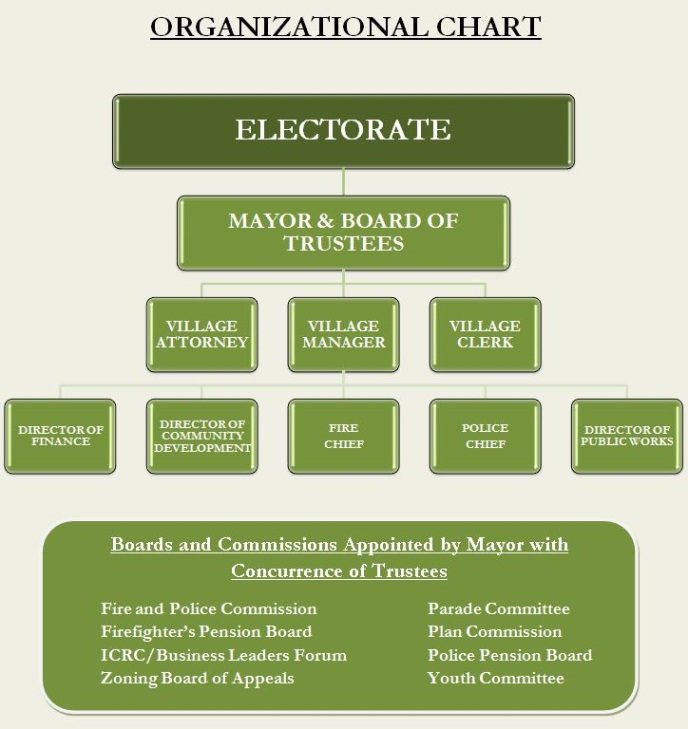
The Role of the Village Clerk and Deputy Clerks
The Village Clerk serves as the official custodian of village records. Assisted by deputy clerks and administrative staff, the office oversees documentation, filing procedures, and legal compliance. The office ensures that every record follows state requirements for accuracy and retention. This includes indexing documents, protecting them from loss or damage, and making them available when residents request information.
The Clerk also attends Village Board meetings, prepares agendas, records minutes, and certifies official actions. These responsibilities preserve the legal integrity of the village’s decision making process. Without these functions, transparency and accountability would be compromised.
Public Records and Document Preservation
Record keeping is one of the most important functions of the Clerk’s Office. The village generates a large number of official documents every year. These include ordinances, resolutions, proclamations, contracts, zoning records, and land use filings. Each document must be stored correctly, indexed for public accessibility, and maintained permanently or for designated retention periods based on Illinois law.
The Clerk’s Office uses both digital and physical storage systems to safeguard records. This dual approach protects against loss caused by technical issues, natural events, or age related deterioration. Residents and researchers can request access to historical records, which helps support personal, legal, or educational needs.
Families researching the history of their homes, local developers reviewing old plans, and community groups looking into past ordinances all rely on the Clerk’s Office for accurate and accessible documentation.
Freedom of Information Act (FOIA) Requests
The Illinois Freedom of Information Act gives residents the right to access public records. The Clerk’s Office manages FOIA requests submitted to village departments. This includes reviewing requests, determining what information can be released under state law, coordinating with relevant departments, and preparing documents for review.
FOIA requests support public oversight, helping residents understand how government decisions are made, how funds are spent, and how projects are managed. The Clerk’s Office ensures that these requests are processed within legal timelines and that information is provided accurately and responsibly.
Village Board Meeting Agendas and Minutes
Transparency in government begins with clear documentation of public meetings. The Clerk’s Office prepares Village Board agendas, posts public notices, records attendance, and captures the minutes of each meeting. These minutes become permanent records that outline motions, votes, discussions, and decisions.
Residents who cannot attend meetings rely on posted agendas and minutes to stay informed about village business. These documents provide a clear view of what actions were taken and why. The Clerk’s Office ensures timely publication and accurate representation of discussions, which is essential to democratic participation.
Licensing and Administrative Services
The Clerk’s Office handles several administrative services that affect businesses and residents. Licensing responsibilities may include notary services, certain business registrations, and administrative filings that support village regulations. For businesses, licensing determines operational compliance and helps maintain community standards.
Notary services remain especially valuable for families handling legal documents such as affidavits, real estate forms, or school paperwork. Many residents appreciate having access to these services at Village Hall without needing to visit private vendors.
Elections and Voter Support
While Cook County oversees elections, the Clerk’s Office serves as a resource for residents who need voter registration assistance, polling location information, and election guidance. The Clerk helps answer questions about registration deadlines, absentee ballots, and early voting locations.
Many new residents rely on the Clerk’s Office to update their voter information after moving into the village. The staff provides clear instructions, ensuring that residents remain eligible to participate in local, state, and federal elections. Voting is one of the most significant civic responsibilities, and the Clerk’s Office helps make the process understandable and accessible.
Local Ordinances and Municipal Code Access
Residents frequently need access to the municipal code, which governs zoning rules, property maintenance standards, business regulations, and community expectations. The Clerk’s Office maintains and updates the municipal code as ordinances are passed. This ensures that the published version remains accurate.
Homeowners reviewing fence regulations, businesses checking signage rules, and developers reviewing zoning classifications all depend on access to current ordinances. The Clerk’s Office provides this access through the village website and in person inquiries.
Special Permits and Administrative Requests
Some administrative permits and filings pass through the Clerk’s Office, depending on local processes. These may include temporary event filings, public notice postings, administrative hearings, or certain record certifications. The staff ensures that each request meets village requirements and complies with applicable state laws.
This administrative support helps streamline communication between departments. Residents benefit from having a central point of contact for many essential forms and filings.
Service to Residents and Businesses
The Clerk’s Office maintains a customer service oriented approach. Staff members respond to questions, help residents navigate document searches, explain filing requirements, and provide guidance when individuals are unsure which department to contact. The office serves as an informational hub that supports smooth communication across the village.
For small business owners, clear access to ordinances and licensing information helps avoid delays. For families, access to records and notary services makes legal paperwork more manageable. For developers and contractors, zoning documents and meeting minutes support project planning and compliance.
Professional Standards and Legal Compliance
The Clerk’s Office follows strict standards set by Illinois state law and municipal procedures. Staff members undergo training on records management, open meetings requirements, FOIA processing, and administrative procedures. This professional training ensures accuracy, protects legal integrity, and promotes public trust.
Compliance with the Open Meetings Act, for example, requires that agendas be published within specific timeframes and that documentation of actions remains available. The Clerk’s Office ensures these requirements are met consistently.
Technology and Record Accessibility
Modern Clerk’s Offices rely on digital systems to organize and retrieve records. Elk Grove Village uses online document libraries, searchable ordinances, digital archiving, and automated indexing. These systems make it easier for residents to access information from home.
Remote accessibility supports families with busy schedules, business owners who need records quickly, and researchers reviewing long term projects. Technology also helps preserve historical documents, ensuring they remain intact for future generations.
A Central Part of Village Transparency
The work of the Clerk’s Office strengthens transparency and accountability in Elk Grove Village. By preserving records, documenting decisions, publishing meeting minutes, and processing public requests, the office ensures that the community remains informed and engaged.
Clear and organized recordkeeping supports fairness in governance. Families, businesses, and community groups benefit from access to accurate information that reflects the village’s history and its ongoing development.
A Quiet but Essential Department
While the Clerk’s Office may not attract the same attention as departments operating out in the field, its impact is felt across all aspects of community life. It maintains the village’s institutional memory, safeguards its legal records, supports public access to government information, and strengthens the foundation of local democracy.
Elk Grove Village relies on the Clerk’s Office for stability, transparency, and continuity. Residents who interact with the office experience clear communication, helpful service, and reliable access to essential documents. The office continues to uphold the standards that make Elk Grove Village a well run community committed to openness and strong governance.